

Tracing indigenous presence in Bidayuh-Missionary Relations in Sarawak, Borneo (1847-1963)
Downloads an .ics file · Times are in Europe/London · Google Calendar
This session offers a comparative, very tentative set of reflections on how we might trace the presence and agency of hazy, peripheral, or invisibilised figures in Christian history—in this case, an assortment of indigenous priests, deacons, catechists, and others who enabled and extended missionary work in mid-19th to mid-20th century Sarawak. Like “Protestant women,” such figures appear in missionary and other archives in fragmented, diffuse ways, occupying a hazy but potentially productive middle zone between “converter” and “converted.” What might their stories and legacies tell us about conversion, indigenous Christianity, colonial power dynamics, and the very figure of “the missionary”? The session will segue from an outline of my still-nascent research plans and ideas—which will involve melding recent anthropological research with archive material—into a broader discussion of the methodological and analytical challenges of (re)constituting lives and biographies on Christian peripheries.
For details of the event, please visit:https://www.crassh.cam.ac.uk/events/53641/
About the network
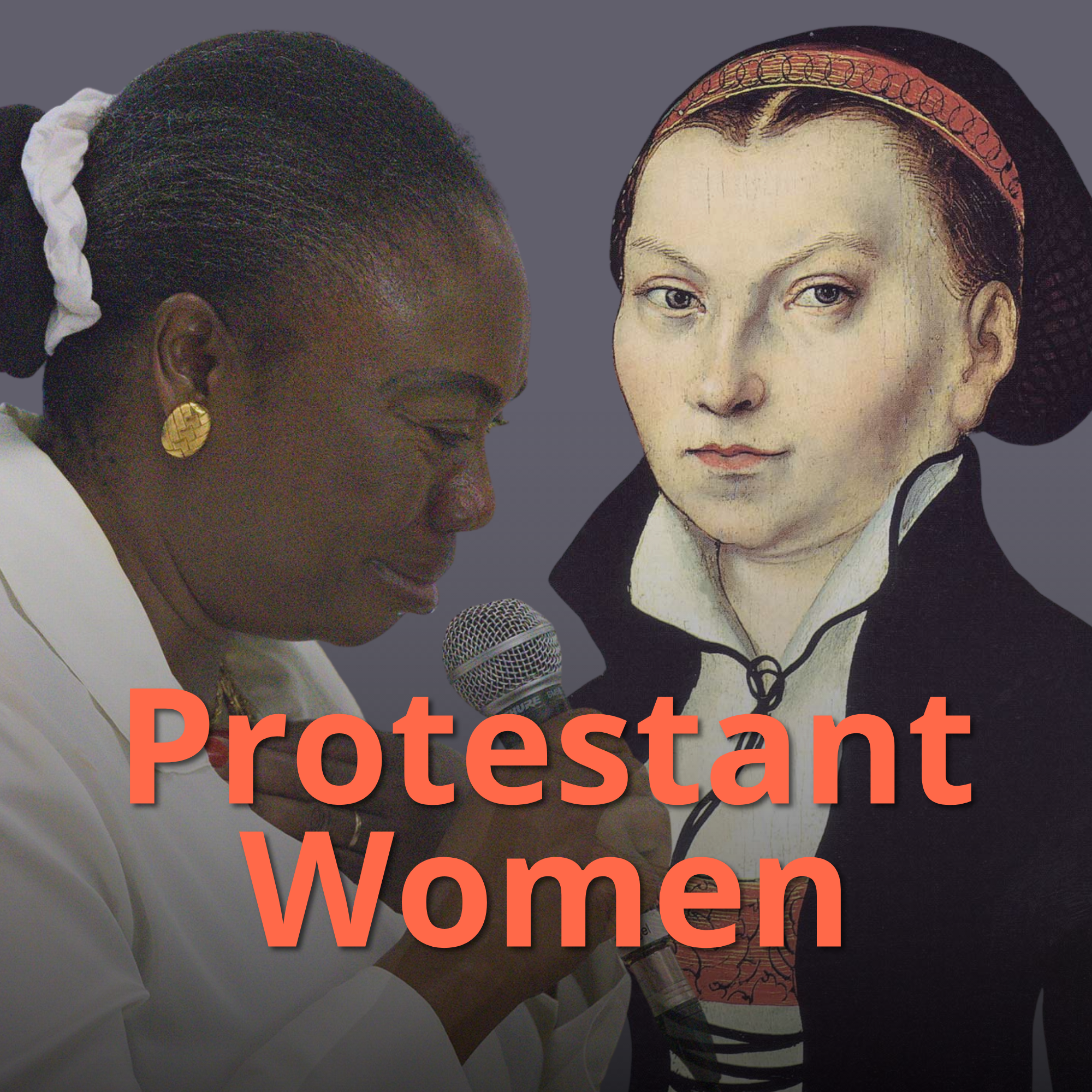
Protestant Women and the Making of Global Religious Worlds investigates whether the category ‘Protestant woman’ functions in an analytically coherent way across diverse historical and cultural contexts, particularly against the backdrop of Protestantism’s centre shifting from the Northern Hemisphere to the Global South and East.
Through twelve sessions, the network takes the Protestant emphasis on the Bible as its starting point for conceptualising the study of the ‘Protestant woman’. The network engages with – and critically challenges – established typological labels that are applied to Protestant women, such as the missionary, the pastor’s wife, the deaconess, and the philanthropist. It asks whether alternative frameworks are required to research the ‘Protestant woman’ in politics, media, everyday life, and other subfields of inquiry, all while addressing the inherent tensions rooted in diverse interpretations of scripture that complicate the category itself. Ultimately, the network seeks to develop new methodologies for globally locating, interpreting, and making accessible Protestant women’s archival records that remain dispersed and fragmentary.
For details of the network and event, please visit:https://www.crassh.cam.ac.uk/research/networks/protestant-women/
For general enquiries or if you have any accessibility needs, please email: [email protected]
More like this near Cambridge



Going to Tracing indigenous presence in? Ask me anything about it.
I read the organiser's pages and answer in a few seconds.
Answers are AI-generated · Privacy